

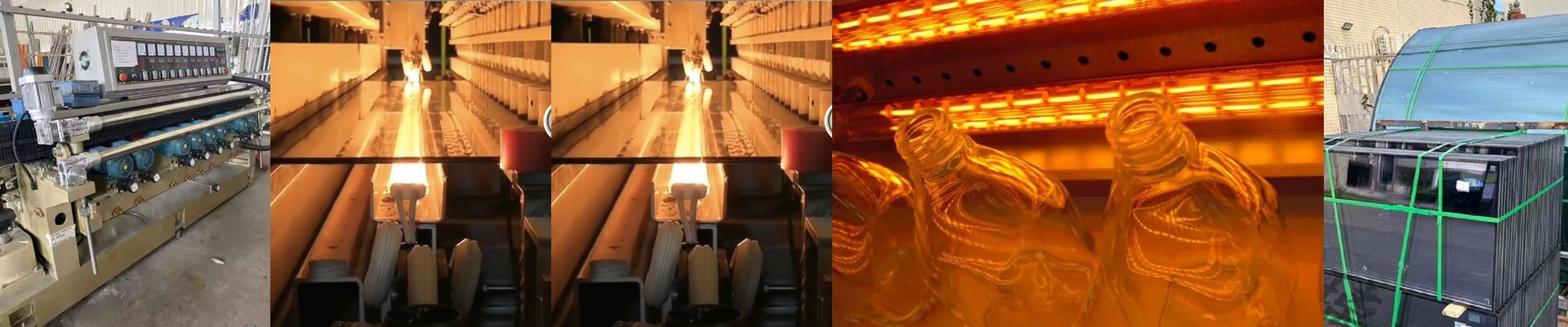


Don’t Let Your Power Grid Kill Your Glass Preheating
Getting glass up to temperature quickly is a balancing act. You need enough heat to get the job done, but if you push too hard too fast, you’re looking at thermal shock. But here’s the real headache: the power grid. If you’re moving equipment across borders or upgrading a plant, the voltage is where things usually go sideways. Imagine plugging a 110V lamp into a 480V line. It won’t just fail—it’ll pop instantly. That’s why we build our infrared lamps to match your specific regional grid. No guessing games, no blown fuses. Dealing with 110V to 575V We handle the custom windings and filament densities for 110V, 480V, and 575V systems. If you’re running a massive preheating tunnel, the higher voltage options (like 480V or 575V) are your best friend. They let you run longer arrays of lamps without needing massive, chunky wiring. It keeps the voltage drop low and means you don’t have to clutter your floor with a dozen electrical panels. Plus, your wiring conduits won’t turn into ovens from the heat buildup. Fitting them in Nobody wants to spend a weekend rebuilding their jigs. Our lamps use standard industrial footprints, so they just slide right in. Whether you need a specific length or a exact wattage per inch, we tune the filament to fit. We don’t do “close enough.” We look at what your machine actually draws and build the lamp to match that. The trade-off: Speed vs. Lifespan Here is the honest truth: you can’t have it all. High-wattage, shortwave lamps get your glass hot fast. But that intensity puts a lot of stress on the quartz envelope. When you push a lamp to its limit, the filament just doesn’t last as long. It comes down to your schedule. If you need a lightning-fast preheat, you’ll be swapping out lamps more often. It’s just the nature of the beast. One quick tip: check your cooling fans. If you’re running high-density loads, you don’t want your sockets melting into a puddle.